
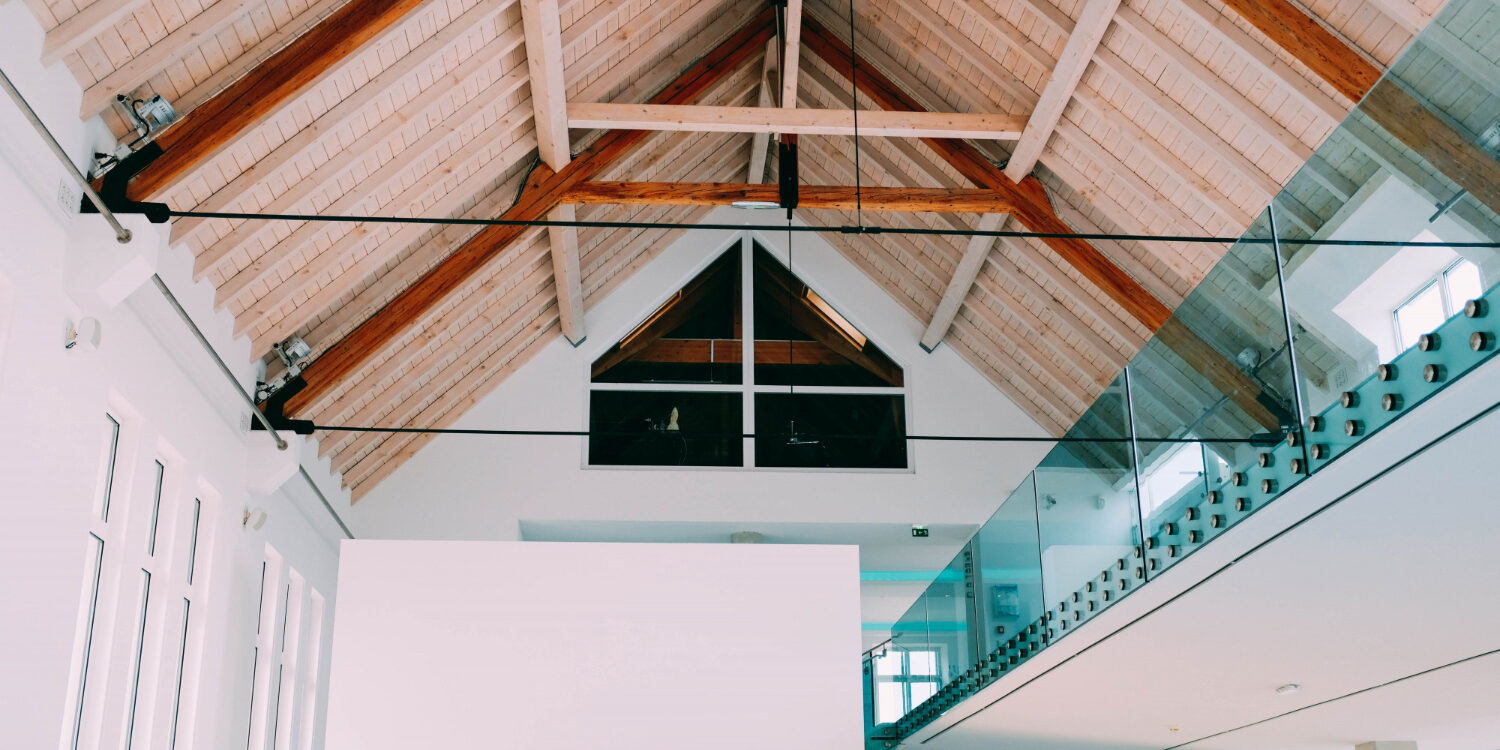
Bring Historic Character Home Without Excess Weight
Reclaimed wood box beams and solid beams can both make a ceiling feel warmer, richer, and more finished. The right choice depends on more than looks. Weight, installation needs, room size, and whether the beam must support part of the home all matter.
Both options can suit many styles, from a rustic farmhouse kitchen to a classic Connecticut colonial or a clean modern room that needs natural contrast. The big difference is what sits behind the surface. Reclaimed wood box beams are usually hollow decorative wraps, while solid beams are full pieces of timber or engineered structural materials.
Before choosing, determine whether the beam is meant to carry a load or simply add architectural character. A decorative beam and a structural beam may look similar once installed, but they have very different requirements.
How Box Beams and Solid Beams Differ
A reclaimed wood box beam is built from several sides of real wood to create the look of a large timber. The inside remains hollow. This lets homeowners enjoy the depth, texture, and aged character of an old beam without bringing a massive solid timber through the house.
Box beams can be made with details people love in antique wood, including hand-hewn texture, saw marks, knots, weathering, and uneven grain. When the craftsmanship is strong, the corners blend naturally and the grain feels continuous from below.
Solid beams are different. They are cut from one large timber or made from structural engineered material. They have true mass, and they may be required when a builder, architect, or structural engineer calls for load-bearing support.
It also helps to understand the wording used when discussing wood beams:
- “Reclaimed” refers to wood that has been recovered from an earlier use.
- “Vintage-weathered” describes an aged visual style, which may be created on newly milled wood.
- “Solid” describes the beam’s construction, not necessarily its appearance.
- “Decorative” means the beam is intended for visual impact, not structural support.
Ask what species is being used, how the beam is built, and whether the material is truly reclaimed or newly milled and aged by hand. Clear answers help prevent surprises later.
Weight, Installation, and Structural Roles
Weight is one of the clearest differences between reclaimed wood box beams and solid beams. A full timber beam can be very heavy. Moving it safely through a home, lifting it overhead, and securing it properly often takes detailed planning, enough labor, and the right equipment.
A hollow box beam can simplify many remodeling projects. It may be installed over secure blocking, existing framing, or a concealed support system. That means a room can gain the look of a substantial old timber without placing unnecessary weight on the ceiling structure.
Still, decorative does not mean casual. A professional installer needs to consider the beam layout before work begins. Ceiling access, electrical fixtures, ductwork, sprinkler lines, and uneven framing in older homes can all affect the plan.
A few questions should be answered before fabrication:
- Is the beam decorative, structural, or covering an existing support?
- Where will lights, fans, or other ceiling fixtures sit?
- Is the ceiling level, and are the framing locations known?
- Will the beam run through an open room, doorway, or vaulted ceiling?
Only a qualified builder, architect, or structural engineer can decide if a beam must carry weight. Decorative beam makers and installers can work with that plan, but structural needs should always be confirmed by the appropriate construction professional.
Match the Finish and Scale to the Room
A beautiful beam can feel out of place if its size is wrong for the room. Oversized beams can make a lower ceiling feel crowded. Beams that are too narrow may disappear in a large great room. Custom sizing gives the ceiling a balanced, intentional look.
Finish also shapes the mood. Deep hand-hewn texture and weathering can work well in a barn-inspired kitchen, lake home, or historic renovation. A cleaner finish with gentle aging may suit a transitional home or a more contemporary New England interior.
Try to coordinate the beam color with flooring, cabinets, trim, and fireplace materials, but do not force every wood tone to match. Natural wood looks better when it has some variation. Slight shifts in grain and color can make the room feel layered rather than overly planned.
Before finalizing a design, share room measurements, ceiling height, beam spacing, lighting plans, and inspiration photos. Those details help ensure the beams support the whole design instead of feeling like an afterthought.
Plan Ahead for a Finished Fall Space
Late summer is a smart time to plan a ceiling beam project for fall gatherings and winter entertaining. Custom work needs room for decisions about dimensions, finish direction, delivery timing, and installer coordination. Starting early also gives builders time to plan before ceilings are closed or painted.
A simple early checklist can keep the project moving:
- Measure the room and note ceiling height.
- Confirm whether beams are decorative or structural.
- Gather photos that show the texture and color you prefer.
- Coordinate beam placement with the builder or remodeler.
Solid beams and reclaimed wood box beams both have a place in residential design. Solid material may be necessary when a structure needs support. Custom box beams offer a lighter, flexible way to bring real-wood character overhead. At The Barn Beam Company in Litchfield, Connecticut, we craft custom real-wood box beams with hand-hewn, vintage-weathered character for homes and projects throughout Connecticut and greater New England.
Bring Authentic Character to Your Space
At The Barn Beam Company, we help homeowners, builders, and designers add warmth and history to their interiors with carefully crafted reclaimed wood box beams. Our team can help you select beam styles that suit your ceiling, layout, and design goals. Ready to discuss your project? Contact us for guidance and availability.